


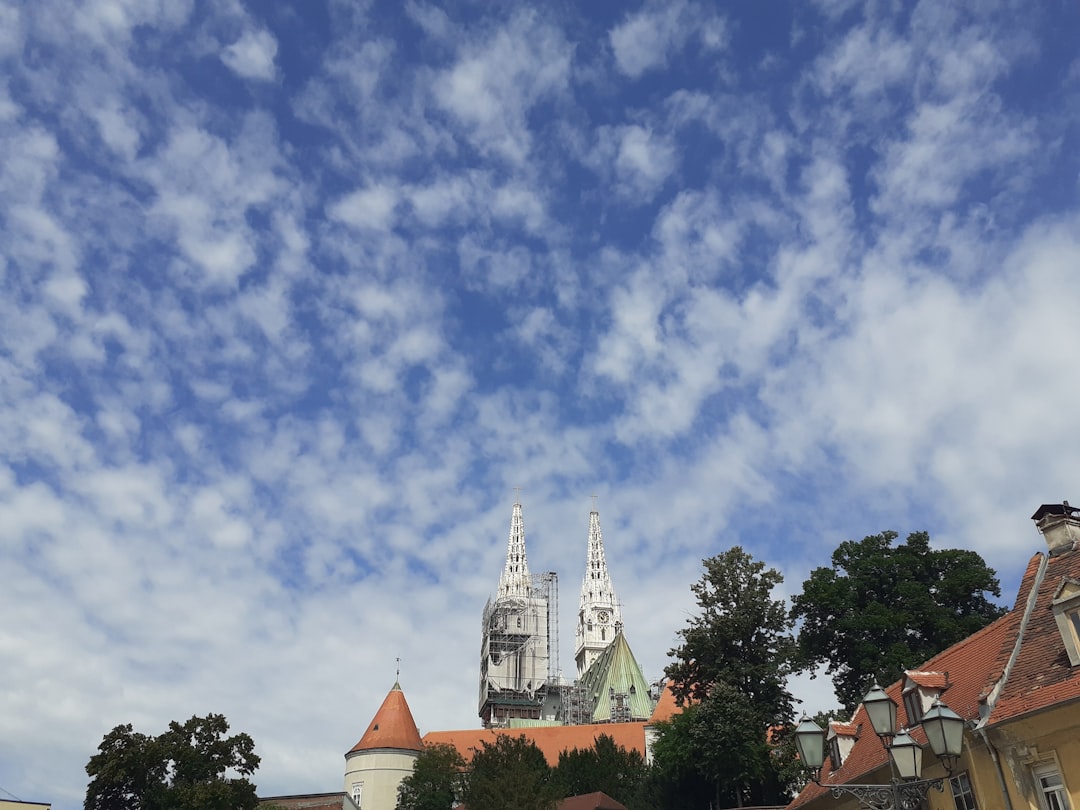
Zagreb, Croatia's bustling capital, is a city that wears its history on its sleeve while embracing the modern world with open arms. This guide will take you through the layers of Zagreb's rich past and vibrant present, from its medieval roots to its thriving food and nightlife scenes, ensuring you won't miss a beat in this lively city.
History & Identity
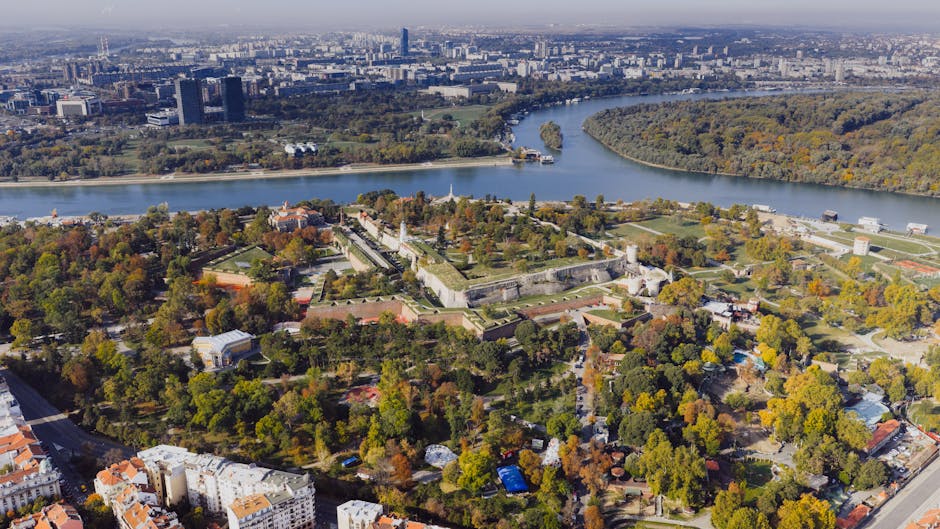
Zagreb's history is a tapestry of influences, from its days as a medieval town to its role as the capital of Croatia. The city was founded on two hills: Kaptol and Gradec. Kaptol, with its imposing Gothic architecture, was the ecclesiastical center, while Gradec, with its medieval walls and gates, was the secular stronghold. Today, these two hills form the core of the historic Upper Town, a labyrinth of cobblestone streets and grand buildings that tell the story of Zagreb's past.
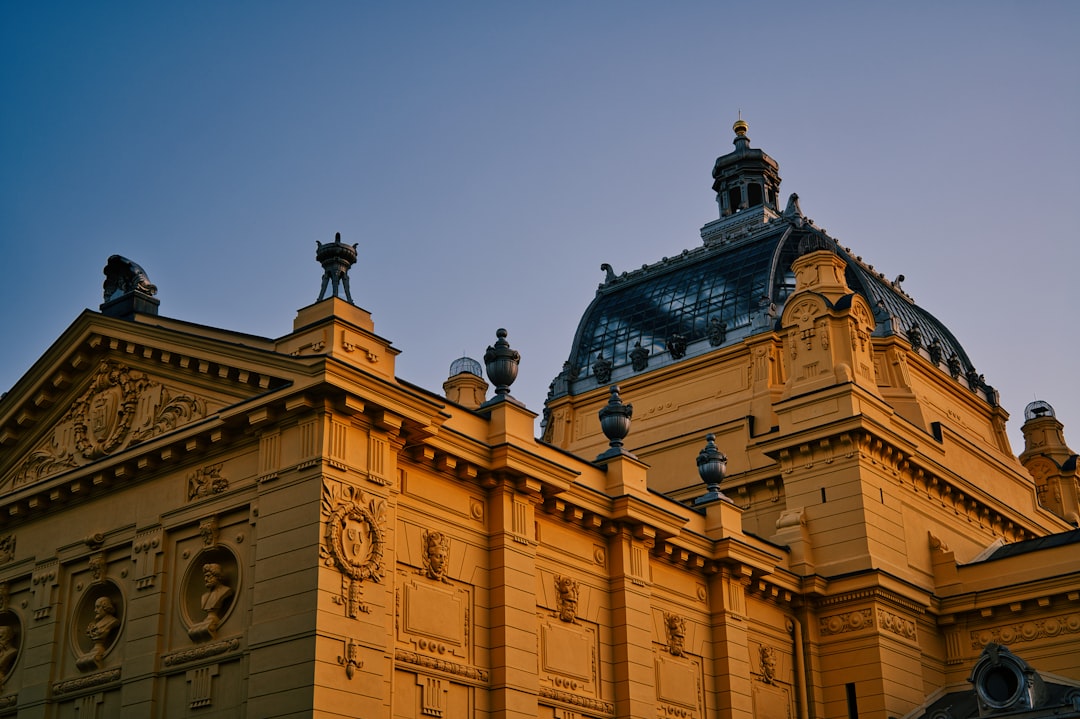
The city's identity is deeply rooted in its history but also shaped by the 20th-century events that led to the formation of independent Croatia. The National Museum of Croatia, housed in a magnificent Neo-Renaissance building, is a testament to this legacy. Its exhibits span from prehistoric times to the modern era, offering a comprehensive look at the country's development.
Where to Go
Juraj Šižgorić Square — This vibrant square is the heart of the Upper Town, surrounded by historic buildings like the Zagreb Cathedral. It's a great spot for people-watching and enjoying the lively atmosphere.
Zagreb Cathedral — Known as the Zagrebacka katedrala, this Gothic masterpiece is a symbol of the city. The cathedral's intricate stonework and towering spires make it a must-see, especially during the golden hour when the sun casts a warm glow over the building.
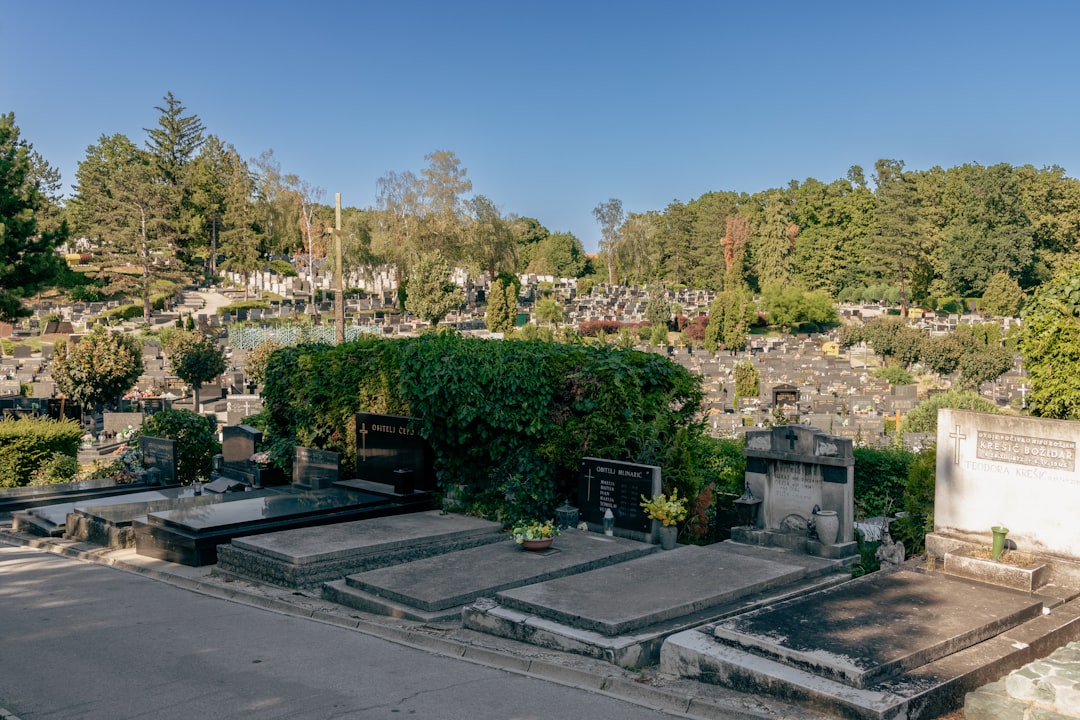
Mirogoj Cemetery — This stunning cemetery is a work of art, designed by the renowned architect Herman Bollé. Its Neo-Renaissance architecture and serene atmosphere make it a unique and peaceful place to visit.
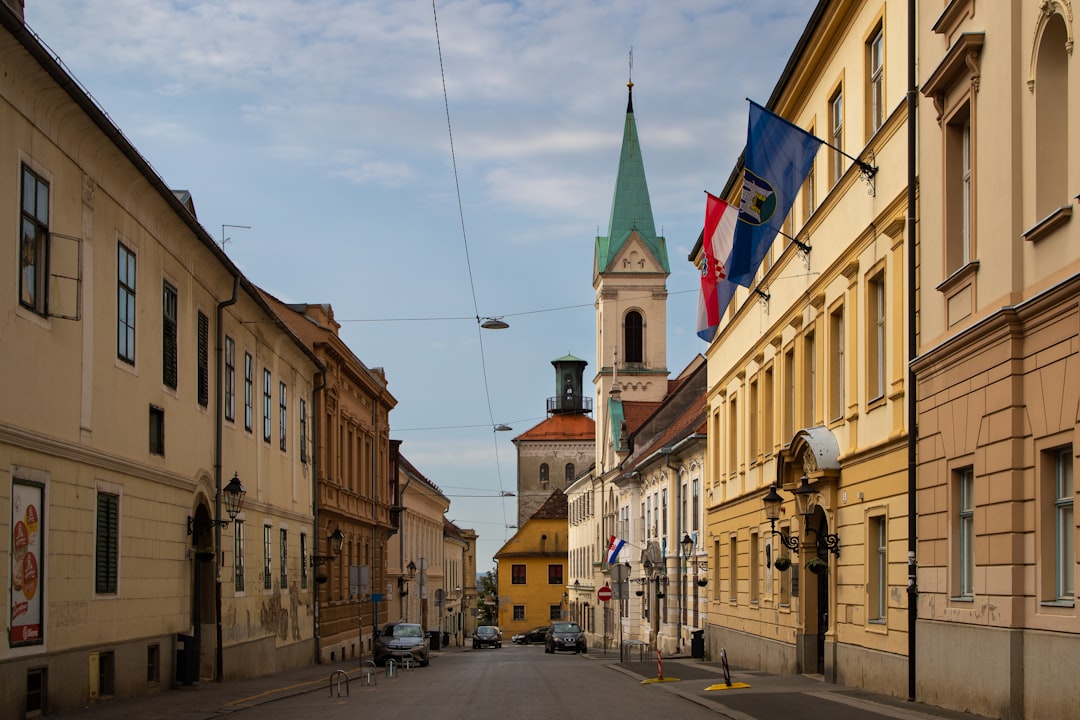
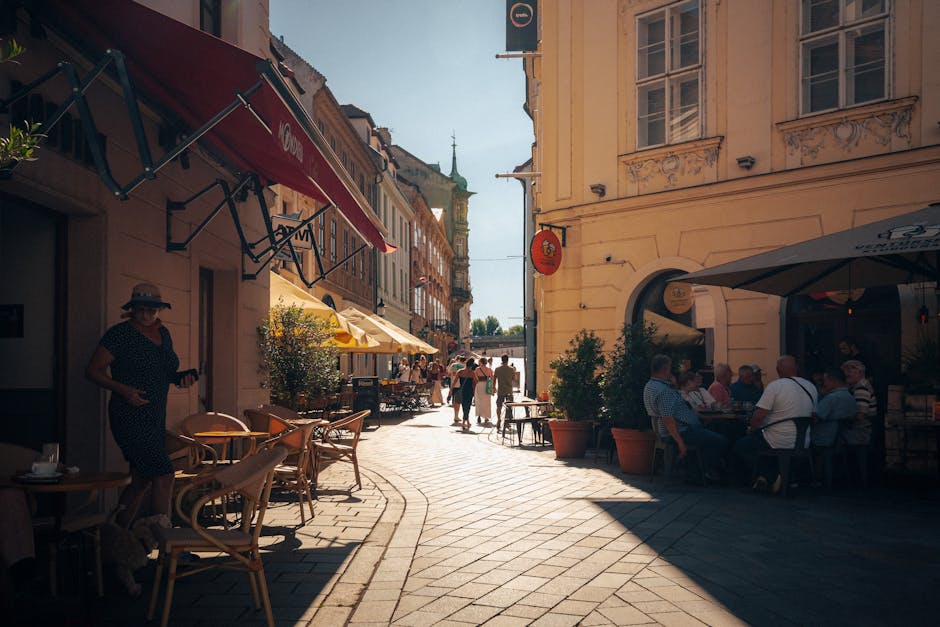
Tkalciceva Street — This charming street is filled with outdoor cafes and bars, making it a favorite among locals and tourists alike. It's a great spot to grab a drink or a bite to eat while soaking in the lively atmosphere.
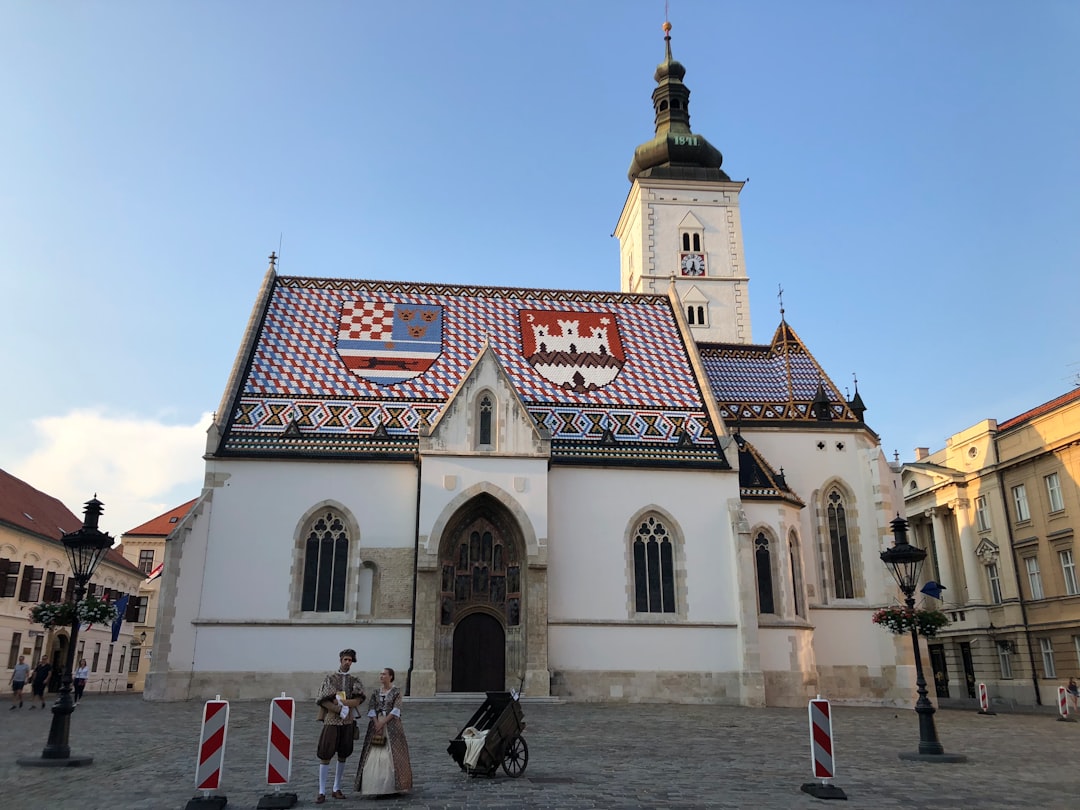
St. Mark's Church — Zagreb's most iconic medieval church, its roof covered in colorful coat-of-arms tiles. Free entry, best photographed at golden hour.
What to Eat & Drink
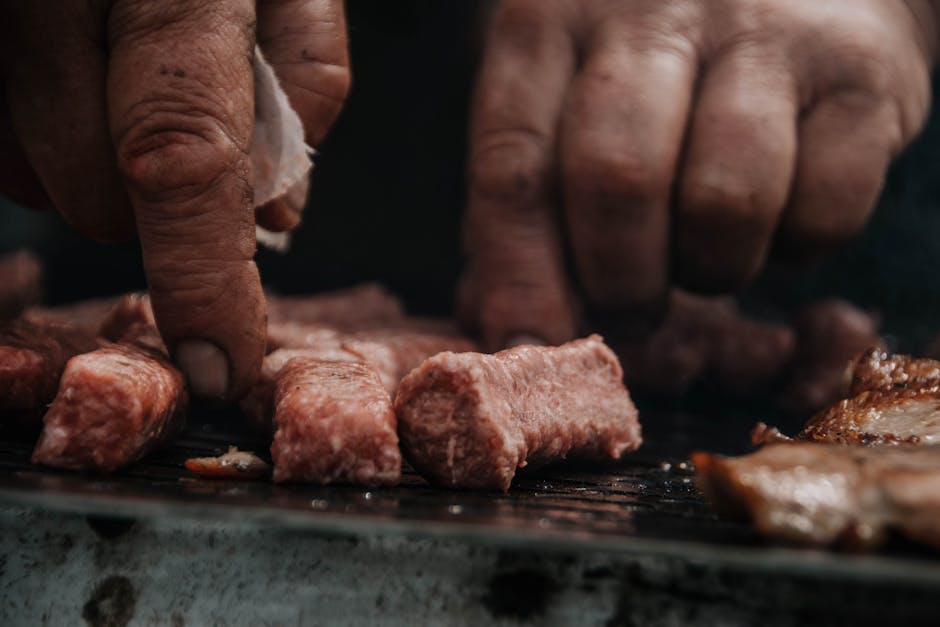
Ćevapi — 3-4 EUR — These grilled meat rolls are a staple of Balkan cuisine. They're often served with ajvar, a type of red pepper spread, and a side of pita bread.
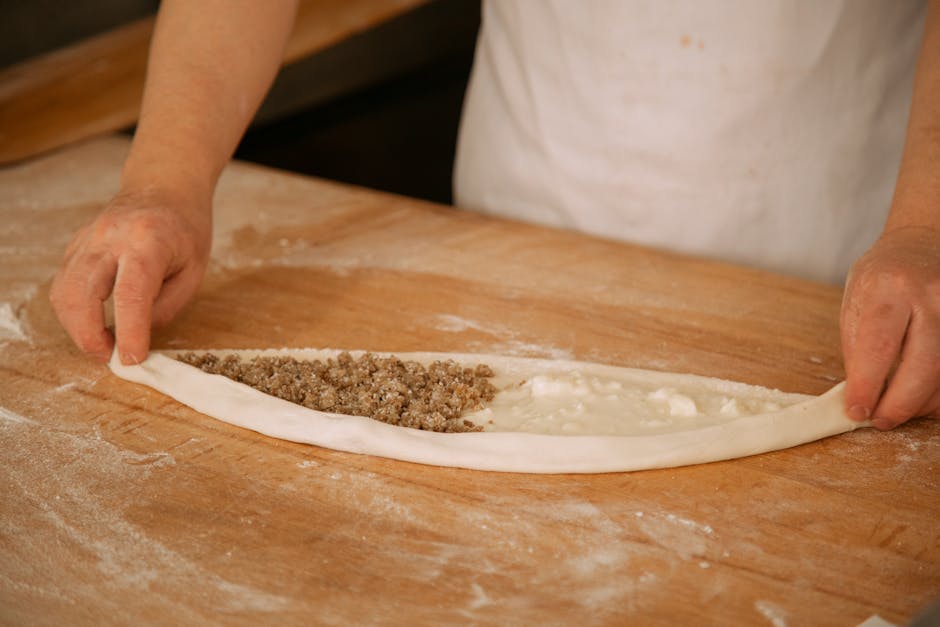
Burek — 1-2 EUR — A savory pastry filled with meat or cheese, burek is a popular breakfast item and street food. It's a great way to start your day in Zagreb.
Budget breakdown: Street food / take-away under 5 EUR per meal; sit-down local restaurant 8-15 EUR per person; mid-range 15-25 EUR. Specific food streets and markets include Tkalciceva Street and the Dolac Market, which offers a variety of fresh produce and local specialties.
Nightlife
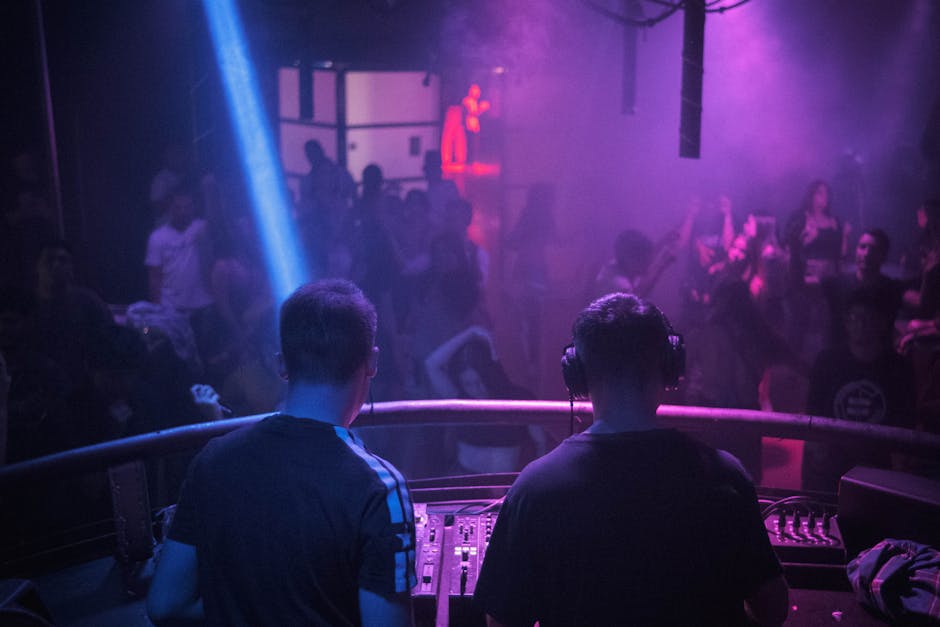
Zagreb's nightlife is centered around the Lower Town and the Marulić Square area. Klub 307 is a popular venue that hosts a variety of events, from live music to DJ sets, often with a cover charge of around 5-10 EUR.
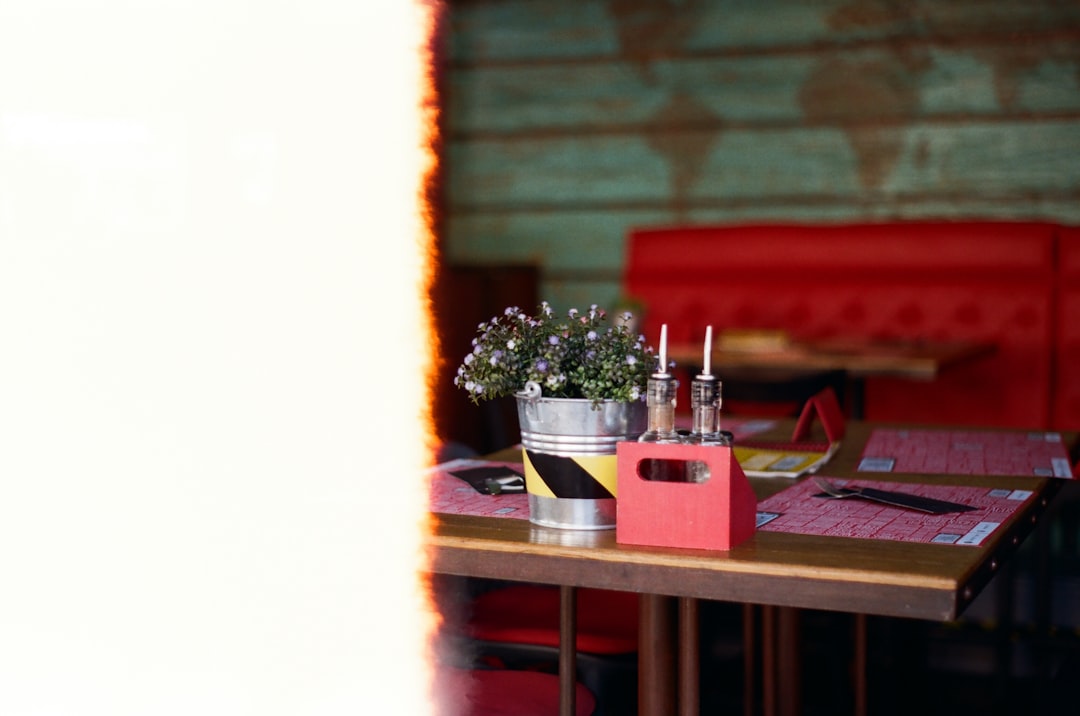
Majstor is another well-known bar, offering a cozy and relaxed vibe with a great selection of beers and cocktails. No cover charge, but expect to pay around 5-7 EUR for a drink.
Getting There & What to Expect
The nearest airport is Zagreb Airport, with regular flights from major European hubs. From the airport, you can take a bus or taxi to the city center. Trains and buses also connect Zagreb to other cities in Croatia and neighboring countries.
Zagreb offers a wide range of accommodation options, from budget hostels to mid-range hotels. Expect to pay around 20-30 EUR per night for a hostel, and 50-100 EUR for a mid-range hotel.
The best months to visit are from May to September, when the weather is warm and the city is bustling with activity.
Streets of Fire: My Zagreb Night
As the sun set over Zagreb, I found myself wandering through Tkalciceva Street, where the outdoor cafes were just starting to fill up. The air was alive with the sound of laughter and clinking glasses. I grabbed a cheap ćevapi from a street vendor and made my way to Klub 307, where the entrance fee was a bit steep at 10 EUR but the crowd was worth it.
The DJ was spinning a mix of Balkan and house music, the beats pulsing through the brick walls of the old building. I found a spot by the window and watched as the night grew deeper, the city lights reflecting off the cobblestones of the street below. The heat of the night was intense, and I could feel sweat trickling down my back as I danced to the rhythm of Zagreb's vibrant nightlife.

Comments